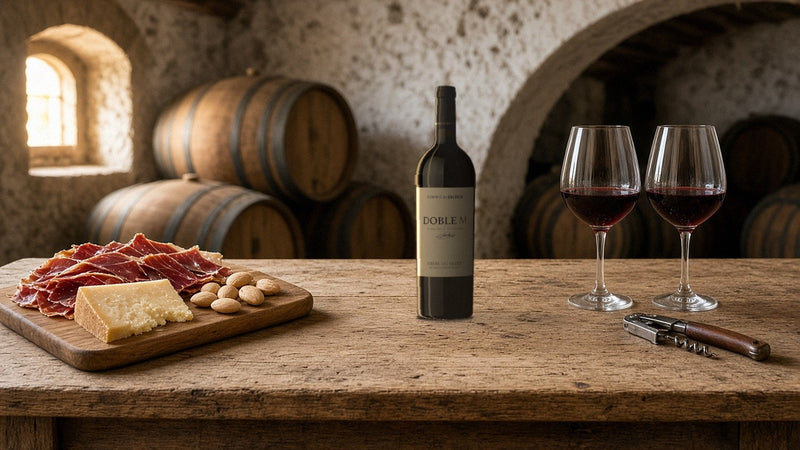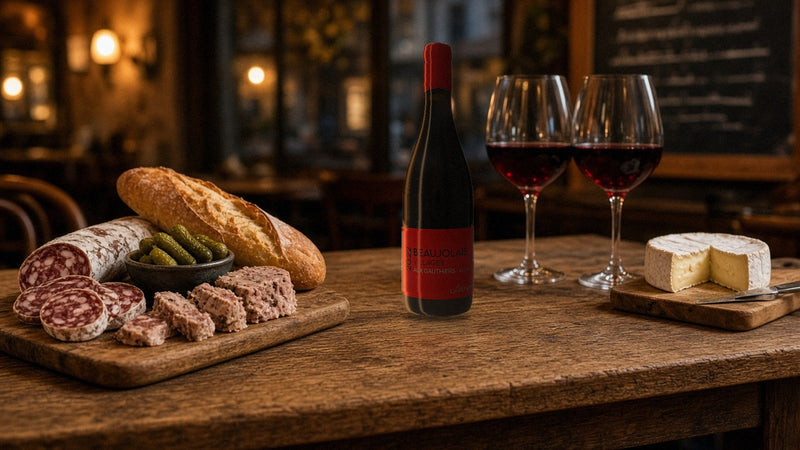
In recent years the wine world has gone through a series of significant changes, with new trends emerging and winning over wine lovers. In 2024, one trend that stood out is the enjoyment of fresh, chilled red wines. Marked by lightness, freshness and fruity flavours, these wines are becoming ever more popular with Portuguese drinkers. In this article we look at the reasons behind the phenomenon and what makes fresh red wines so special.
A New Way of Drinking
Traditionally, red wines were served at room temperature, usually around 18°C. However, changing habits have led to a new style: drinking fresh red wines cooler, at around 15°C. This not only changes the sensory experience, making the wines more refreshing, but also highlights features that might otherwise go unnoticed.
This style is especially appealing in the warmer months, when a red served at 18°C can feel heavy and less enjoyable. The lower temperature lifts the fruity aromas and keeps the palate feeling fresh. Light, fresh reds are also an excellent choice for a wider range of food pairings, going well with light dishes, salads and even some seafood.
Light and Fruity Wines
Fresh red wines are defined by their lightness and fruity aromatic profile. They're often made from grapes with lower tannins and without oak ageing, which gives a softer, less astringent texture. The most common grapes in this category include:
- Rufete: A traditional grape from Beira Interior, known for light, aromatic wines with red-fruit notes and balanced acidity.
- Castelão: Widely grown in Tejo and the Setúbal Peninsula, this grape makes fruity wines with good acidity and a soft structure.
- Bastardo: Found mainly in the Douro, this grape gives light wines with wild-berry aromas and a floral touch.
- Jaen: Known as Mencía in neighbouring Spain, it's grown in the Dão and produces elegant, fruity wines.
- Tinta Miúda: Common in the Lisboa region, this grape gives fresh wines with red-fruit aromas and lively acidity.
- Negra Mole: Predominant in the Algarve, it produces soft, aromatic wines, ideal for warmer climates.
These wines aren't just pleasant to drink; they also offer a more approachable experience for those starting to explore red wine.
Growing Demand for Natural Wines
Another factor driving the popularity of fresh reds is the growing interest in natural and organic wines. Consumers are increasingly aware of their choices and look for products that reflect a commitment to sustainability and responsible farming. Natural wines, made with minimal-intervention techniques and without added chemicals or additives, fit this demand perfectly.
Fresh red wines, often made with minimal intervention, stand out for preserving the purity of the grapes and the terroir where they're grown. They're made from vineyards farmed sustainably, encouraging biodiversity and respecting the local ecosystem. In addition, little or no sulphite use during winemaking results in wines seen as healthier and less likely to cause reactions in people sensitive to these compounds.
Conclusion
Fresh red wines are winning a prominent place in the Portuguese market, offering a refreshing, enjoyable alternative to traditional reds. A new way of drinking, a preference for light, fruity wines and rising demand for natural wines all feed this growing trend. For wine lovers who haven't tried them yet, fresh reds are an exciting chance to explore new sensations and discover the versatility of Portuguese wine.
At Vinogrande we're committed to bringing you a carefully curated selection of these wines, celebrating the diversity and quality of local producers. Visit our shop and fall for the fresh red wines that are redefining Portugal's wine scene.
Below is a selection of red wines we recommend trying chilled. Try these suggestions and discover new ways to enjoy red wine!