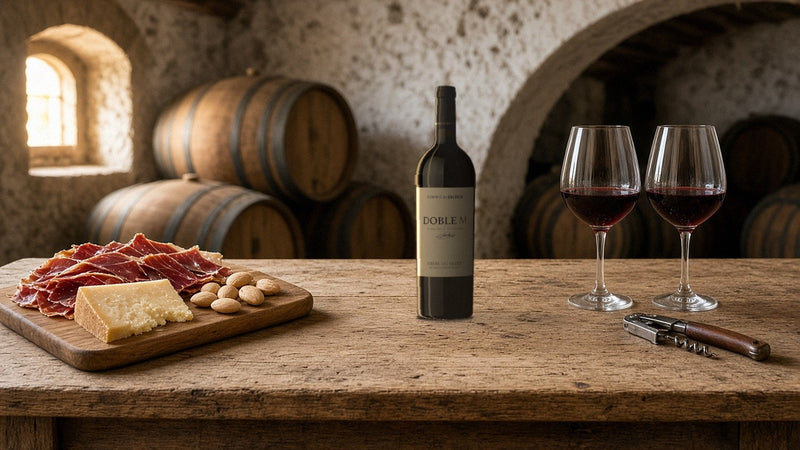
Today we're looking at a topic that sparks plenty of debate among wine lovers: the truth about so-called "clean wines". It's a delicate, fascinating subject that deserves a closer look.
What Are "Clean Wines"?
First, it's crucial to define what "clean wine" means. The term isn't official and varies widely, but it generally refers to wines made with as few chemical additives and human interventions as possible. The idea is that these wines offer a "purer", more "natural" experience. But is that really true?
The Question of Biogenic Amines
One of the big concerns about conventional wines is biogenic amines, such as histamine and tyramine, which can cause adverse reactions in some people. Clean wine advocates claim their products have much lower levels of these compounds. Indeed, practices such as complete fermentation and reduced use of sulphites can contribute to this. It's important to stress, however, that biogenic amine levels can vary widely and don't depend on production method alone.
Winemaking Practices and Their Influence
The processes used in winemaking have a significant impact on a wine's quality and character. For example, using indigenous yeasts (native to the grapes themselves) instead of commercial yeasts can influence a wine's biogenic amine profile. Indigenous yeasts usually lead to a more complex fermentation and can help create a wine with fewer additives and amines.
The Truth About Sulphites
Sulphites are another hot topic. Many clean wines are marketed as "low sulphite". Sulphites are used to preserve wine and prevent oxidation, but some consumers are sensitive to them. Reducing sulphites can benefit those people; however, it is an oversimplification to say that all conventional wines are high in sulphites and all natural wines are low.
Natural Wines vs. Clean Wines
It's essential to distinguish between natural and clean wines. Natural wines follow a philosophy of minimal intervention, in both vineyard and winery. Not every natural wine is necessarily "clean" in the popular sense, especially given that uncontrolled fermentations can increase biogenic amine levels.
Conclusion
In short, "clean wines" can offer benefits for some consumers, especially those sensitive to sulphites or biogenic amines. However, a wine's purity can't be guaranteed by a "clean" label alone. As always, the best approach is to learn about the wines you drink and get to know the producers and their winemaking practices.